How to Start Watercolor Painting on a Small Budget
What beginners should know
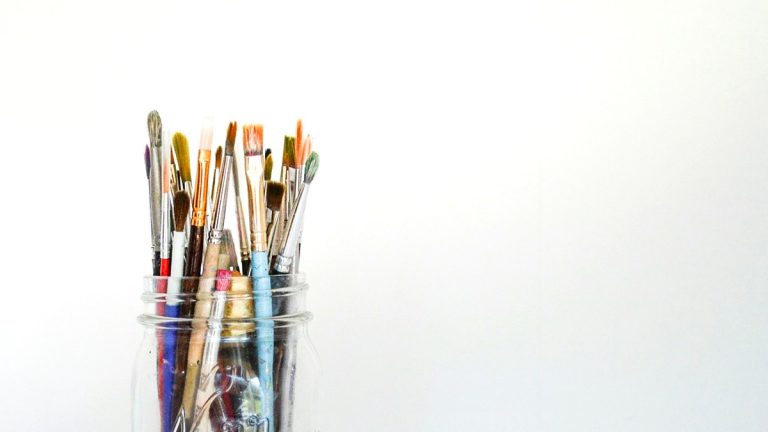
Buy fewer colours, cut larger paper sheets down and choose versatile synthetic brushes. Use household jars and cloths instead of purchasing accessories that do the same job.
Beginner materials should remove unnecessary frustration without creating financial pressure. Compare the function of each item with supplies you already own, then buy only when it solves a specific problem. A short wish list and a basic inventory are effective protections against duplicate purchases and attractive sets filled with items you will rarely use.
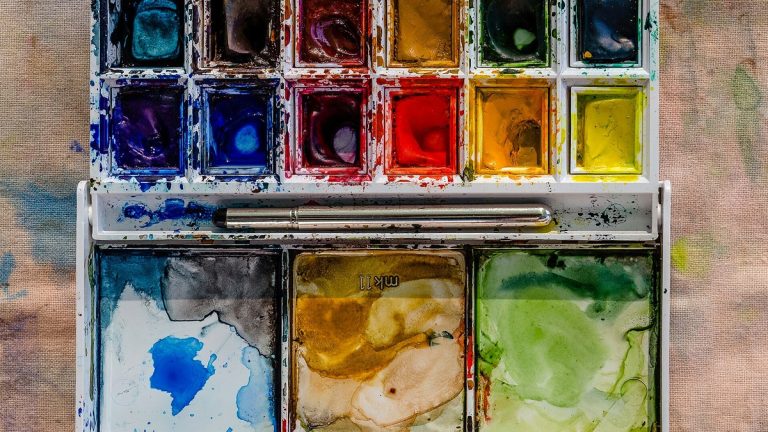
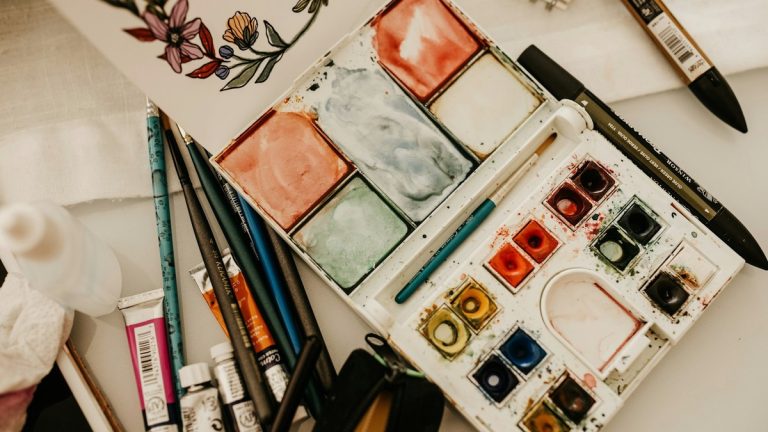
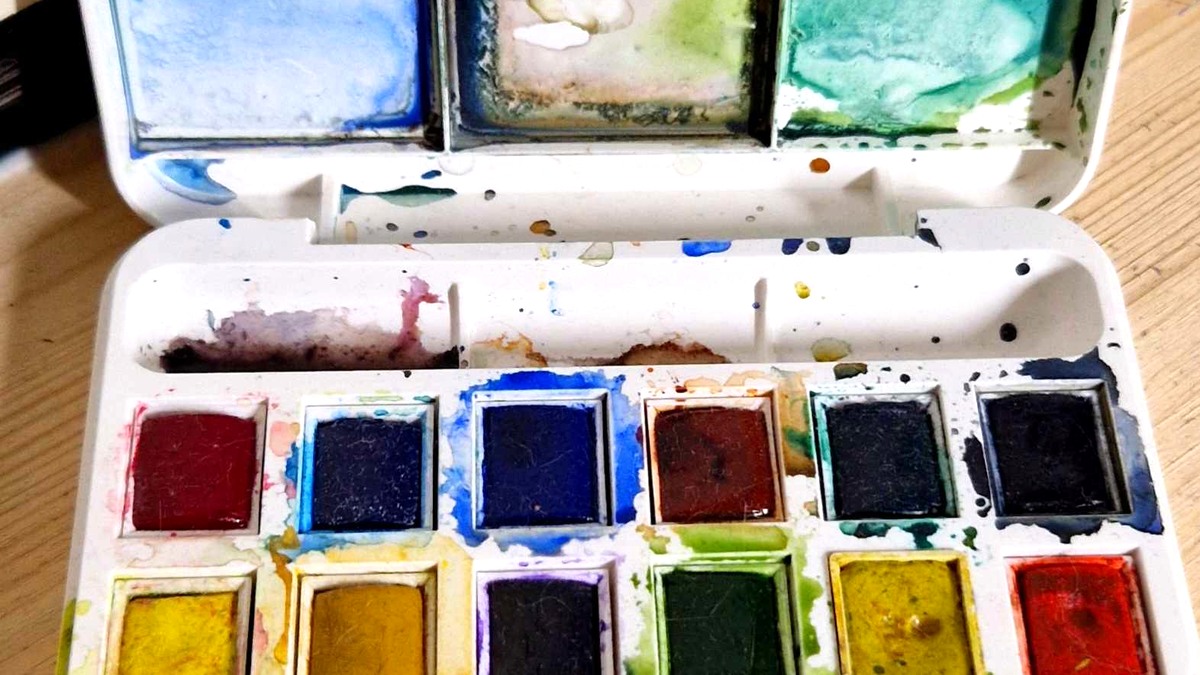
One supply that fits this purpose well is Winsor & Newton Cotman Sketchers’ Pocket Set; it gives you a compact beginner paint set with a built-in mixing area.
A practical checklist
- Compare specifications rather than relying on packaging.
- Buy the smallest dependable setup that meets your needs.
- Upgrade only after identifying a real limitation.
Try this today
Make three columns labelled essential, useful later and unnecessary for now. Place every planned purchase into one column and delay anything that does not solve an immediate limitation.
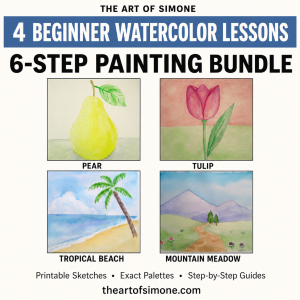
Need a clear next project? The $27 Beginner Watercolor Bundle takes you from printable sketch to finished painting through four approachable lessons.
The bottom line
A small, dependable collection is easier to understand and maintain than a crowded one. Choose supplies deliberately, care for them consistently and let your real needs guide future purchases.
As another useful option, Canson XL Watercolor Paper Pad — 9 × 12, 140 lb works well when you need an affordable cellulose pad for practice, swatches and beginner exercises.
Helpful Watercolor Supplies
Helpful options for this part of your watercolor setup:
- Winsor & Newton Cotman Sketchers' Pocket Set — compact beginner paint set with a built-in mixing area.
- Canson XL Watercolor Paper Pad — 9 × 12, 140 lb — affordable cellulose pad for practice, swatches and beginner exercises.