How to Arrange Colours in Your Watercolor Palette
What beginners should know
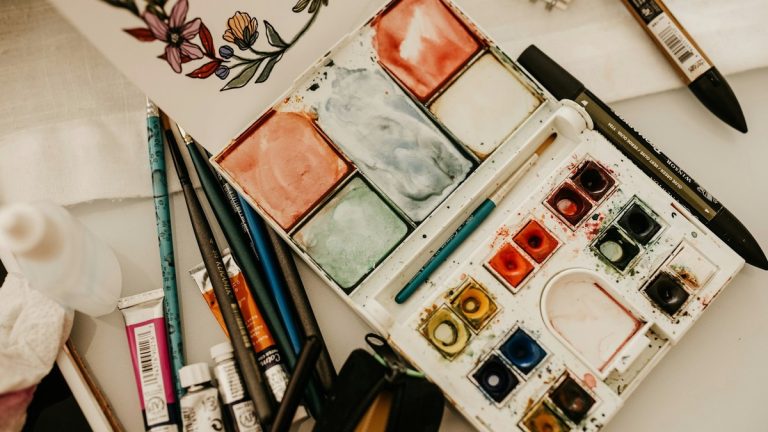
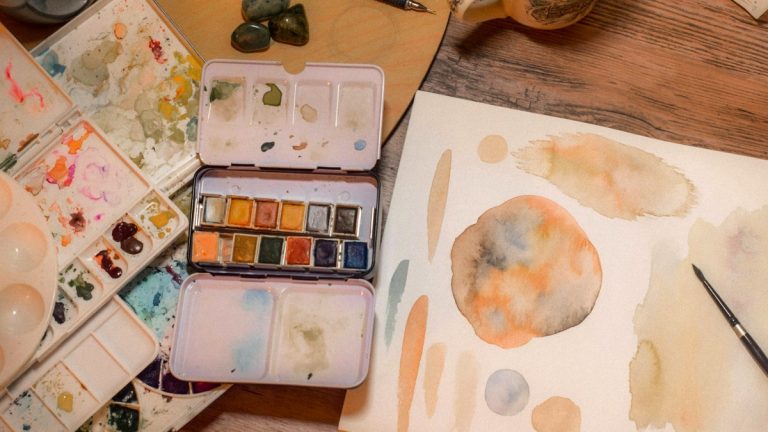
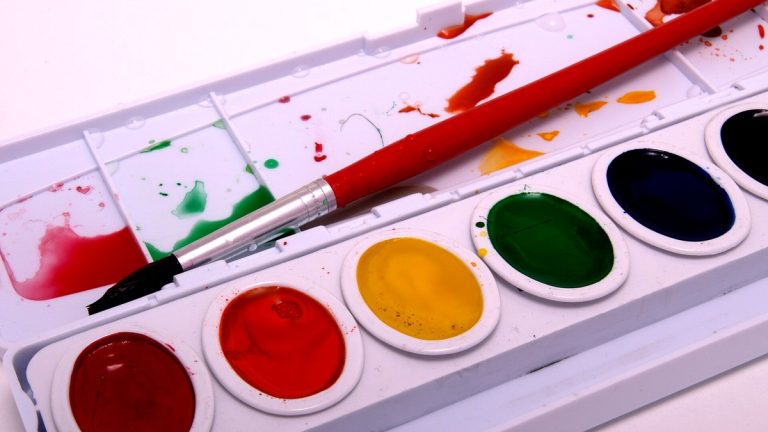
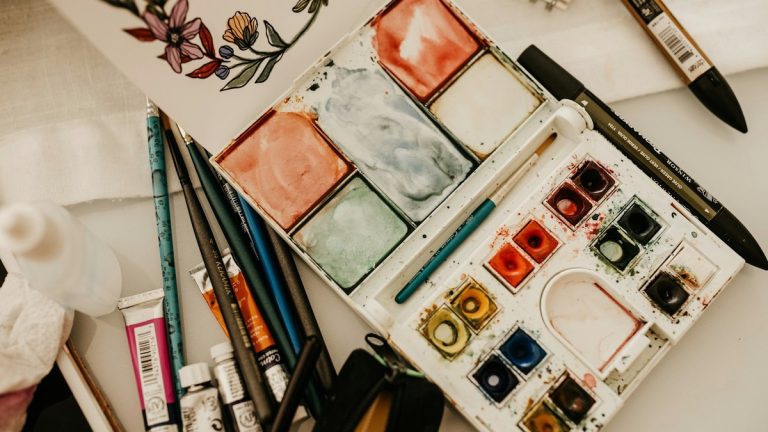
Arrange colours in a consistent sequence such as warm to cool or by colour family. Leave difficult staining colours separated when possible and keep a written palette key.
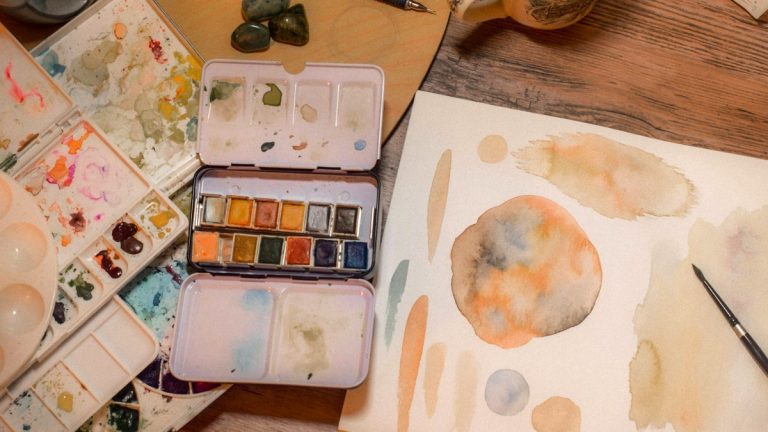
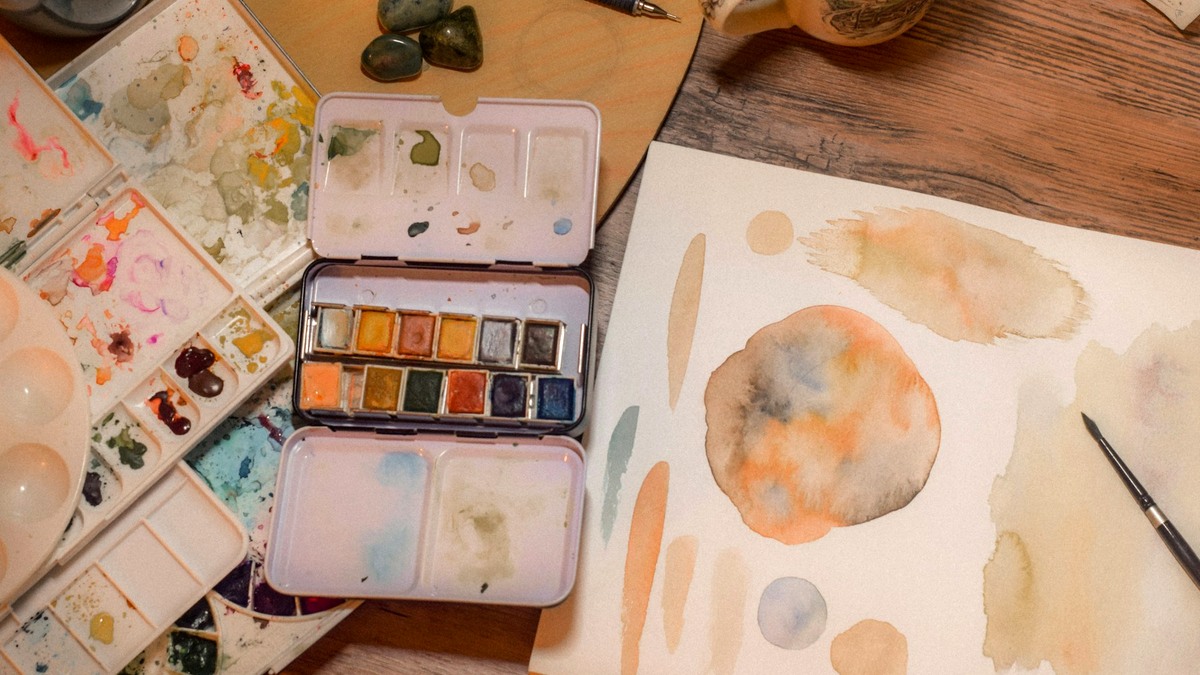
A palette is both a storage tool and a working surface. It should make colours easy to identify, provide enough open room and fit the way you paint at home or away. Photograph the finished layout and keep a written key so an empty well can be refilled correctly months later.
To keep the choice simple, consider Mijello Airtight Watercolor Palette — 18 Wells for a seal-able palette that helps tube paint stay protected between sessions.
A practical checklist
- Prioritize mixing room and easy cleaning.
- Keep a written key for every colour in the palette.
- Add new colours only when they serve a clear purpose.
Try this today
Open the palette and check whether every well can still be identified. Clean only the mixing areas, update the colour key and leave unused wells empty until a real need appears.
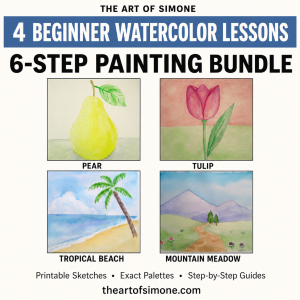
Put these ideas into practice inside the $27 Beginner Watercolor Bundle, where four beginner projects come with printable sketches, exact colours and six-step guidance.
The bottom line
A small, dependable collection is easier to understand and maintain than a crowded one. Choose supplies deliberately, care for them consistently and let your real needs guide future purchases.
For a second choice, MEEDEN 18-Well Ceramic Watercolor Mixing Palette is worth considering for a stain-resistant ceramic mixing surface with separate wells.
Helpful Watercolor Supplies
A quick two-product shortlist:
- Mijello Airtight Watercolor Palette — 18 Wells — seal-able palette that helps tube paint stay protected between sessions.
- MEEDEN 18-Well Ceramic Watercolor Mixing Palette — stain-resistant ceramic mixing surface with separate wells.