How to Choose a Watercolor Palette for Beginners
What beginners should know
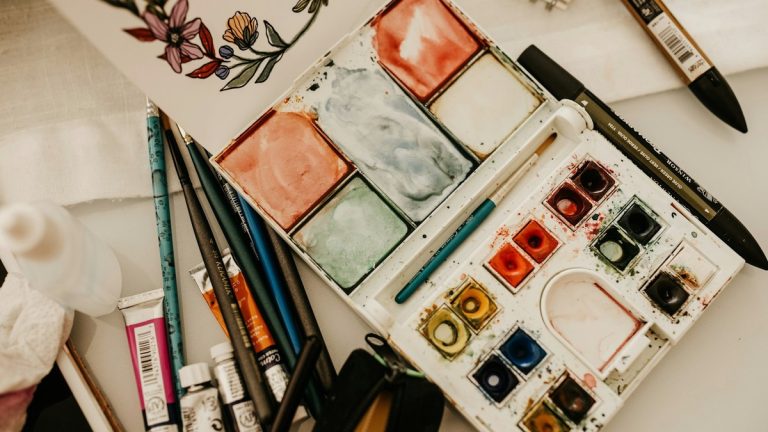
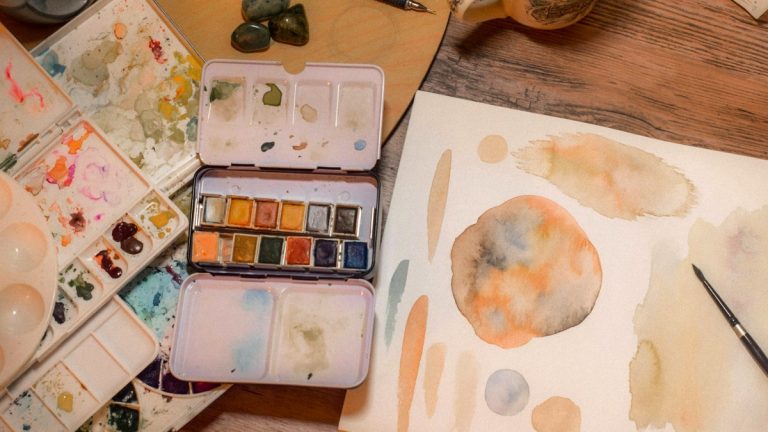
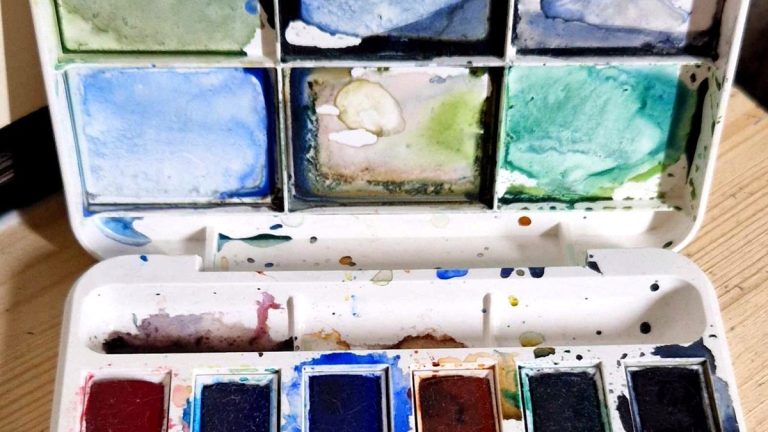
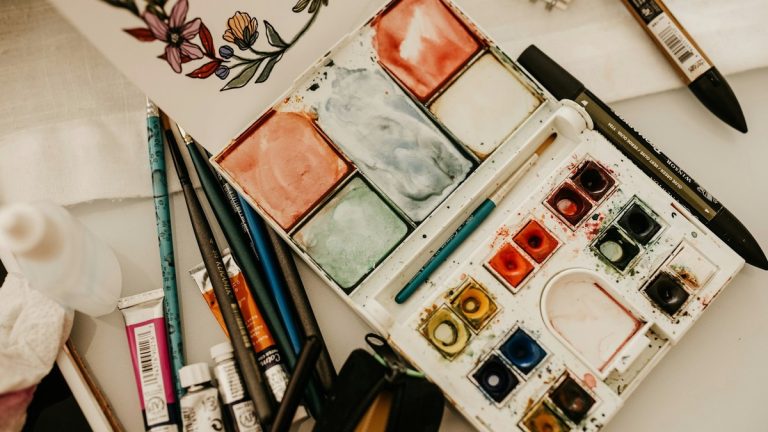
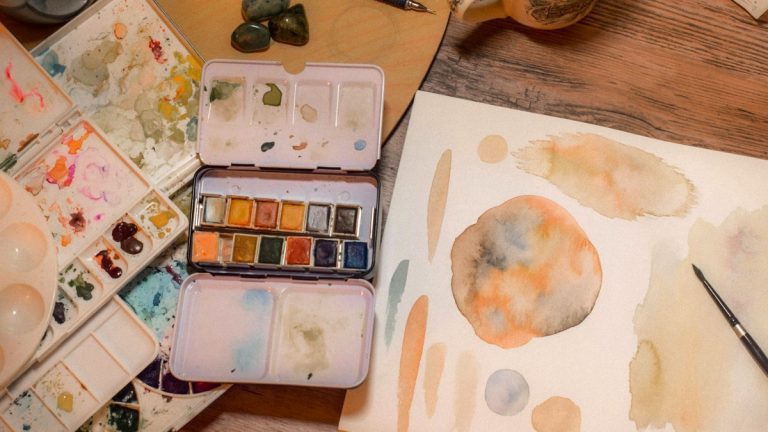
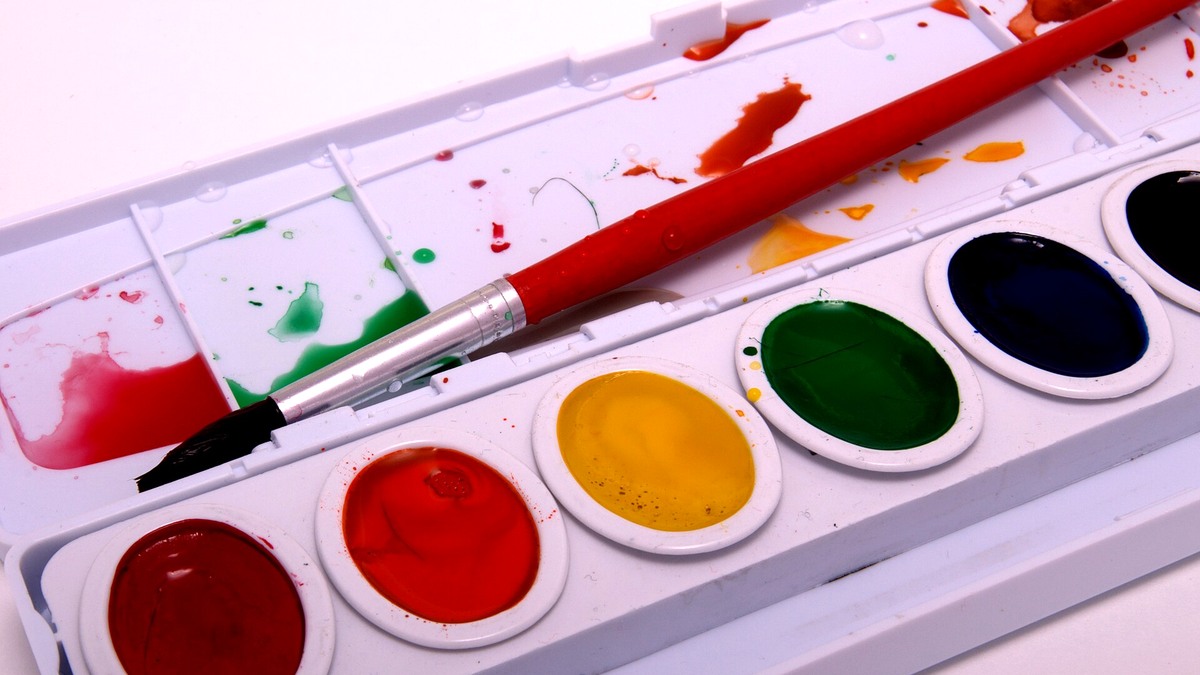
Choose a palette with enough mixing space, secure wells and a lid if portability matters. A simple palette that is easy to clean is more valuable than an elaborate design you avoid using.
A palette is both a storage tool and a working surface. It should make colours easy to identify, provide enough open room and fit the way you paint at home or away. Photograph the finished layout and keep a written key so an empty well can be refilled correctly months later.
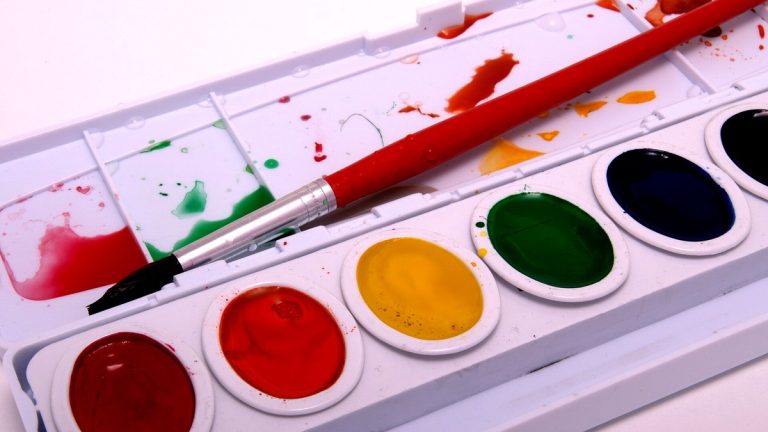
For a practical starting point, Jack Richeson 10-Well Round Plastic Palette with Cover is a useful option because it provides a simple covered plastic palette for beginners and small workspaces.
A practical checklist
- Prioritize mixing room and easy cleaning.
- Keep a written key for every colour in the palette.
- Add new colours only when they serve a clear purpose.
Try this today
Open the palette and check whether every well can still be identified. Clean only the mixing areas, update the colour key and leave unused wells empty until a real need appears.
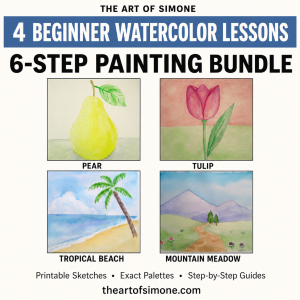
If you want structure for your next painting session, the $27 Beginner Watercolor Bundle provides four guided projects from sketch to final details.
The bottom line
A small, dependable collection is easier to understand and maintain than a crowded one. Choose supplies deliberately, care for them consistently and let your real needs guide future purchases.
You could also compare it with Mijello Airtight Watercolor Palette — 18 Wells, which offers a seal-able palette that helps tube paint stay protected between sessions.
Helpful Watercolor Supplies
A quick two-product shortlist:
- Jack Richeson 10-Well Round Plastic Palette with Cover — simple covered plastic palette for beginners and small workspaces.
- Mijello Airtight Watercolor Palette — 18 Wells — seal-able palette that helps tube paint stay protected between sessions.