How to Clean a Stained Watercolor Palette
What beginners should know
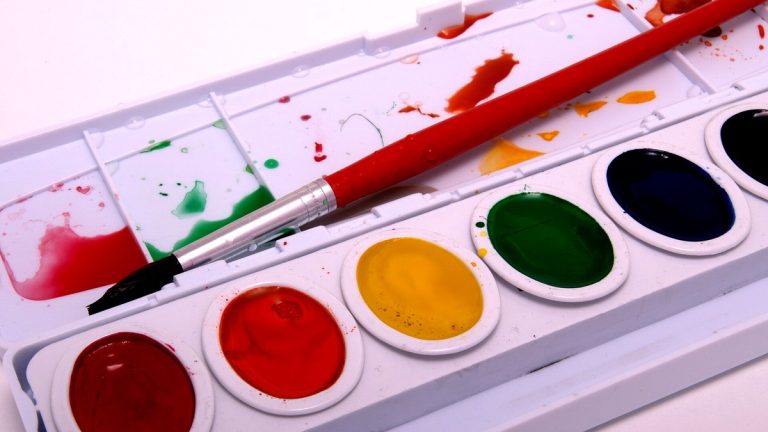
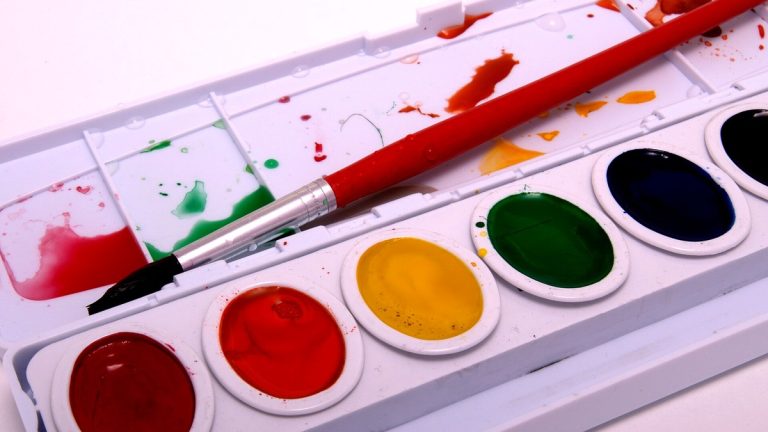
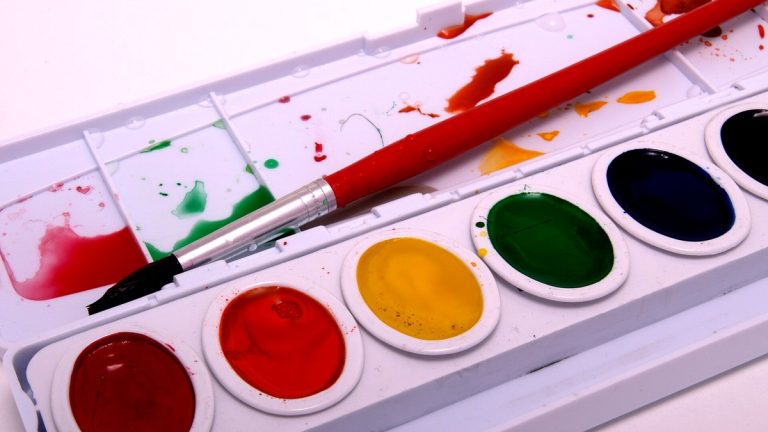
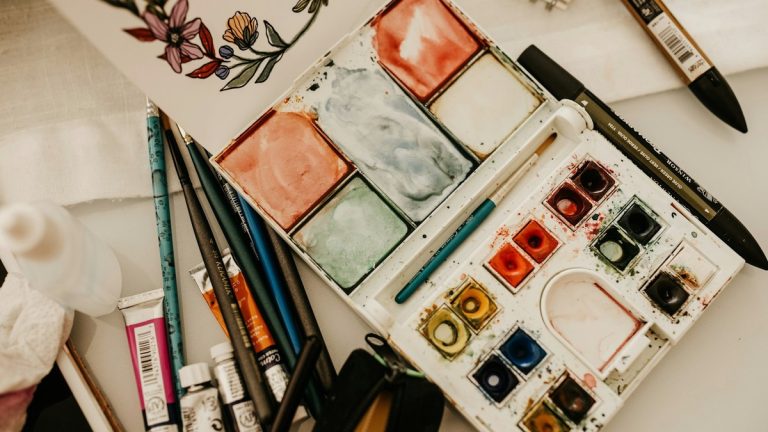
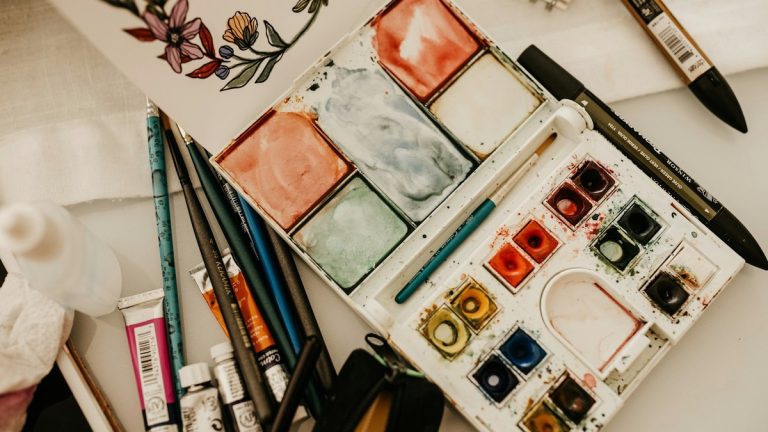
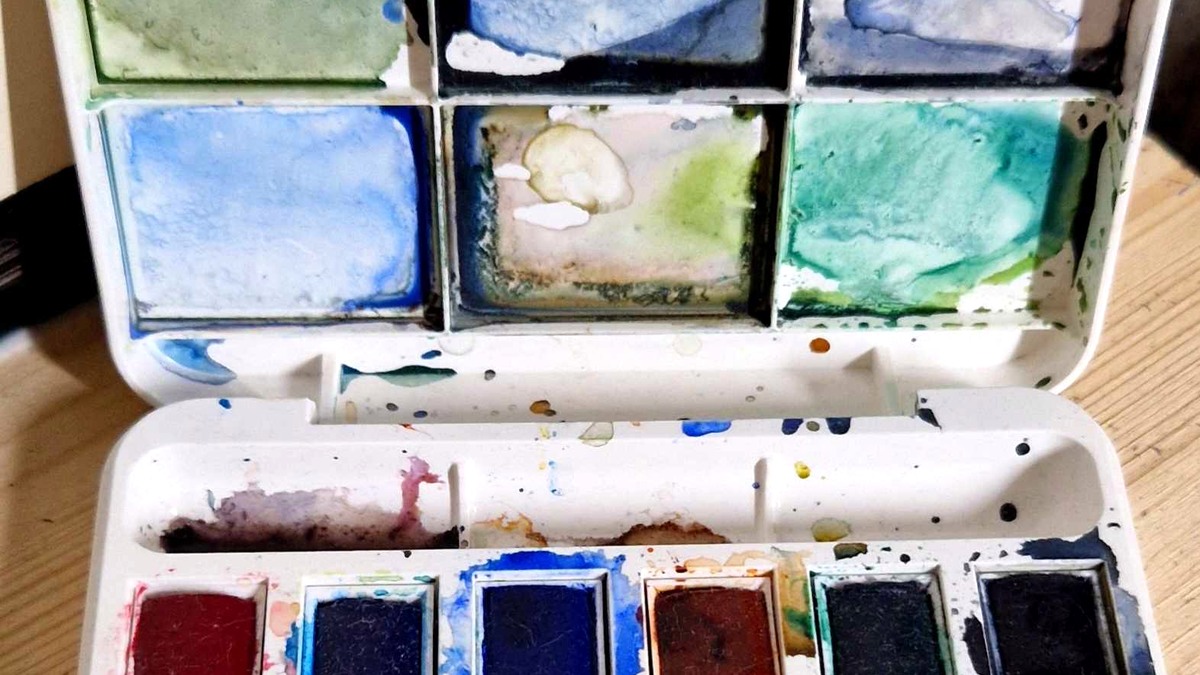
Remove loose paint with clean water and a soft cloth, but do not scrub away usable colour. Cosmetic staining is normal and does not affect a clean mixture placed on the surface.
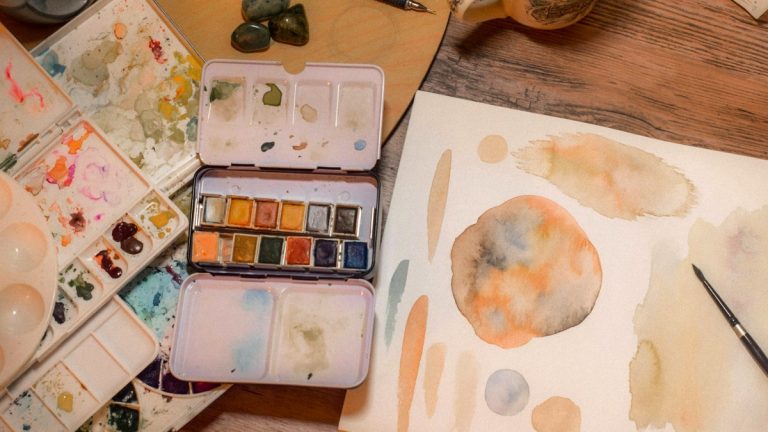
A palette is both a storage tool and a working surface. It should make colours easy to identify, provide enough open room and fit the way you paint at home or away. Photograph the finished layout and keep a written key so an empty well can be refilled correctly months later.
If ease of use matters most, MEEDEN 18-Well Ceramic Watercolor Mixing Palette gives beginners a stain-resistant ceramic mixing surface with separate wells.
A practical checklist
- Prioritize mixing room and easy cleaning.
- Keep a written key for every colour in the palette.
- Add new colours only when they serve a clear purpose.
Try this today
Open the palette and check whether every well can still be identified. Clean only the mixing areas, update the colour key and leave unused wells empty until a real need appears.
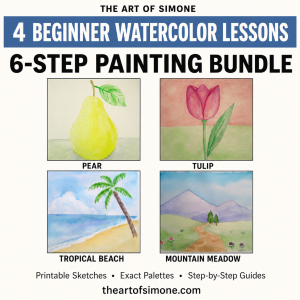
The $27 Beginner Watercolor Bundle helps you move from choosing supplies to completing four paintings with clear sketches, palettes and six-step instructions.
The bottom line
A small, dependable collection is easier to understand and maintain than a crowded one. Choose supplies deliberately, care for them consistently and let your real needs guide future purchases.
To round out the setup, DOGNNAK Darwin Stain-Resistant Flower Palette can add a compact stain-resistant palette with clear mixing sections.
Helpful Watercolor Supplies
Two practical choices for beginners:
- MEEDEN 18-Well Ceramic Watercolor Mixing Palette — stain-resistant ceramic mixing surface with separate wells.
- DOGNNAK Darwin Stain-Resistant Flower Palette — compact stain-resistant palette with clear mixing sections.